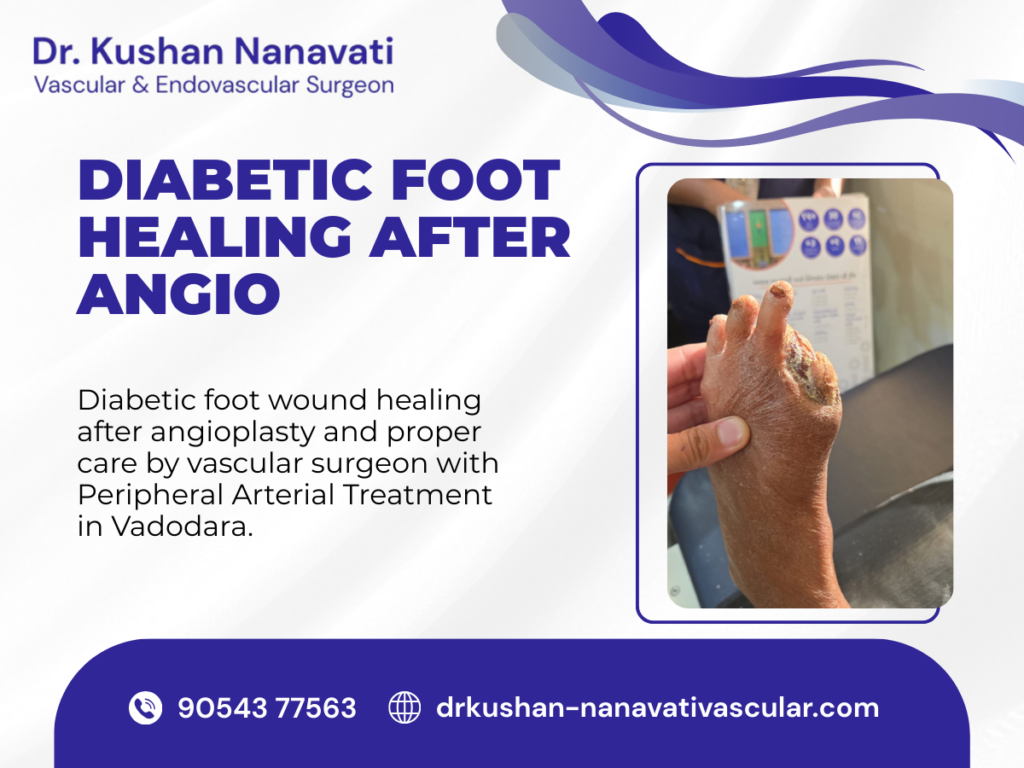

Healthy blood circulation plays a vital role in maintaining overall health. When arteries that carry blood to the legs and feet become narrowed or blocked, it can lead to a condition known as peripheral arterial disease (PAD). This condition affects blood flow to the limbs and may cause pain, weakness, and difficulty performing routine activities such as walking. Seeking timely peripheral arterial treatment in Vadodara is important to manage the condition effectively and reduce the risk of complications.
Peripheral arterial disease often develops gradually and many people do not notice the symptoms in the early stages. However, with proper diagnosis and treatment, the condition can be controlled and patients can maintain an active lifestyle.
Understanding Peripheral Arterial Disease
Peripheral arterial disease occurs when fatty deposits, called plaque, accumulate inside the arteries. This buildup reduces the flow of oxygen-rich blood to the legs and feet. The reduced circulation can lead to discomfort, especially during physical activity.
Some of the common symptoms include:
- Leg pain or cramping while walking
- Numbness or weakness in the legs
- Coldness in the lower leg or foot
- Slow healing wounds on the toes or feet
- Changes in skin color or reduced hair growth on the legs
These symptoms should not be ignored. Early consultation with a vascular specialist can help identify the condition before it becomes severe. Many patients in the region seek guidance from Dr. Kushan Nanavati, Vascular Surgeon In Vadodara, who focuses on diagnosing and managing vascular conditions with a patient-centered approach.
Risk Factors for Peripheral Arterial Disease
Certain lifestyle and health conditions increase the chances of developing PAD. Being aware of these risk factors helps individuals take preventive steps.
Common risk factors include:
- Smoking
- Diabetes
- High blood pressure
- High cholesterol levels
- Obesity
- Sedentary lifestyle
- Family history of vascular disease
Diagnostic Evaluation
Diagnosing peripheral arterial disease involves a combination of clinical examination and diagnostic testing. A vascular specialist evaluates symptoms, medical history, and circulation patterns before recommending specific tests.
Common diagnostic procedures include:
- Ankle-Brachial Index (ABI): A simple test that compares blood pressure in the ankle and arm to detect circulation problems.
- Doppler Ultrasound: Helps visualize blood flow and detect narrowed or blocked arteries.
- CT Angiography or MR Angiography: Provides detailed imaging of blood vessels.
- Blood Tests: Used to evaluate cholesterol, blood sugar, and other contributing factors.
Treatment Options for Peripheral Arterial Disease
Lifestyle Modifications
- Quitting smoking
- Maintaining a healthy weight
- Following a balanced diet
- Engaging in regular physical activity
Supervised walking programs are particularly helpful because they gradually improve circulation and strengthen leg muscles.
Medication Management
Minimally Invasive Procedures
When arteries are significantly narrowed, minimally invasive procedures may be recommended to restore proper blood flow.
Common procedures include:
- Angioplasty, where a small balloon is used to widen the blocked artery
- Stent placement, where a tiny mesh tube is inserted to keep the artery open
Surgical Treatment
In more severe cases, vascular surgery such as bypass surgery may be necessary to redirect blood flow around a blocked artery. This option is typically considered when other treatments are not effective.
Experienced specialists like Dr. Kushan Nanavati , Vascular Surgeon In Vadodara evaluate each case carefully before recommending surgical intervention to ensure the best possible outcome.
Importance of Early Treatment
Peripheral arterial disease should not be ignored. If left untreated, it can lead to serious complications including chronic wounds, infections, or severe circulation problems. Early medical care can help prevent these risks and improve overall mobility.
Timely treatment offers several benefits:
- Improved blood circulation
- Reduced pain and discomfort while walking
- Better mobility and daily activity levels
- Lower risk of complications affecting the limbs
Preventing Peripheral Arterial Disease
While treatment options are available, prevention remains the most effective strategy for maintaining vascular health. Small lifestyle changes can make a significant difference in reducing the risk of arterial disease.
Some preventive measures include:
- Staying physically active
- Maintaining healthy cholesterol and blood sugar levels
- Avoiding tobacco use
- Following a balanced diet
- Scheduling regular health check-ups
Frequently Asked Questions
1. What causes peripheral arterial disease?
2. Is leg pain always related to PAD?
3. Can PAD be treated without surgery?
4. Who is more likely to develop PAD?
5. When should I consult a vascular specialist?
Conclusion
Peripheral arterial disease is a serious vascular condition that can affect circulation and mobility if not addressed in time. Early diagnosis and appropriate treatment play a crucial role in preventing complications and maintaining an active lifestyle.
By seeking expert peripheral arterial treatment in Vadodara, patients can benefit from modern diagnostic techniques and personalized treatment strategies. With timely care and proper lifestyle management, it is possible to improve circulation and protect long-term vascular health.