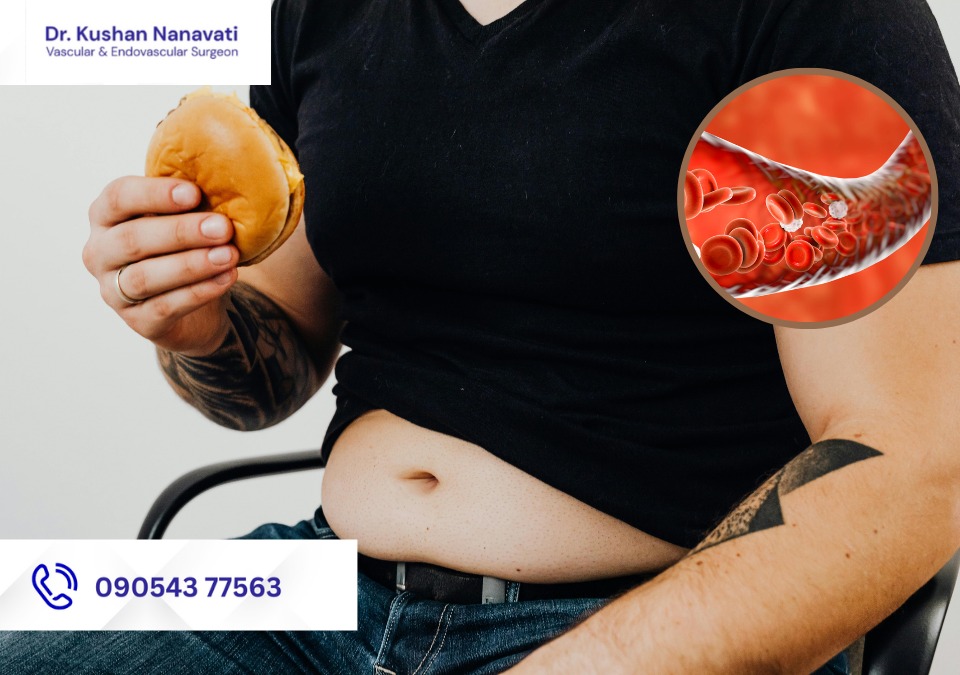

In today’s fast-paced world, physical inactivity has quietly become a major health risk. Long working hours, desk jobs, excessive screen time, and reduced outdoor activity have made a sedentary lifestyle common across all age groups. When combined with obesity, inactivity significantly increases the risk of vascular diseases—conditions that affect arteries, veins, and overall blood circulation.
Understanding how lifestyle choices impact vascular health is essential, especially when early prevention can help avoid serious complications. Consulting a vascular surgeon in Vadodara at the right time can play a key role in protecting long-term health.
Understanding Vascular Health
What Is the Vascular System?
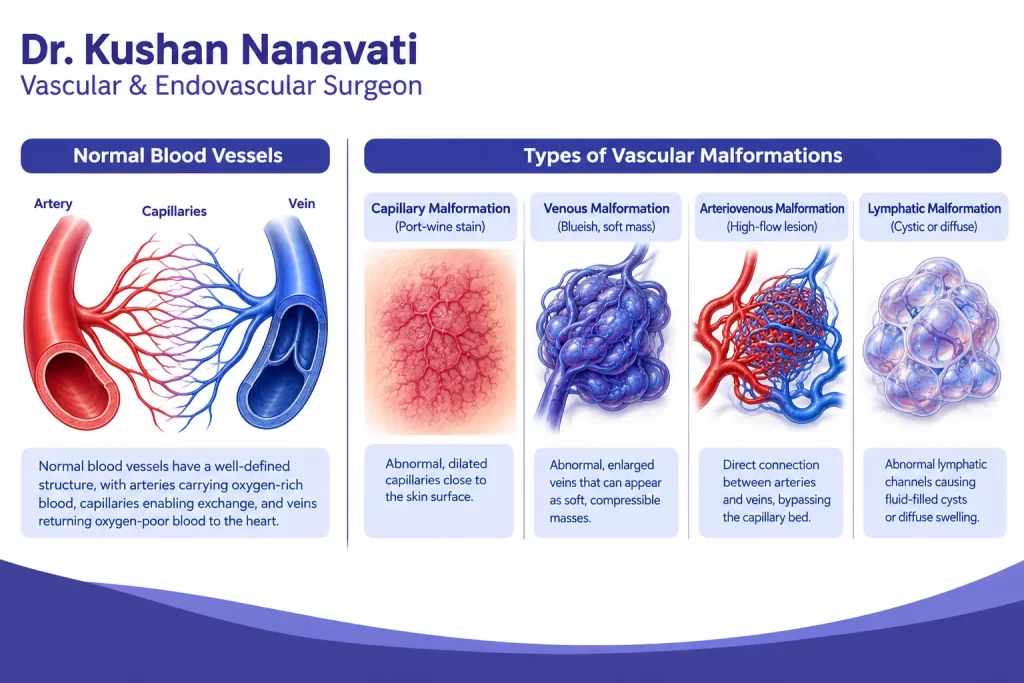
The vascular system consists of arteries, veins, and capillaries that transport oxygen-rich blood, nutrients, and hormones throughout the body. It also helps remove waste products and regulate body temperature.
Why Healthy Blood Vessels Matter
Healthy blood vessels ensure:
- Efficient blood circulation
- Proper organ function
- Controlled blood pressure
- Reduced risk of heart attack and stroke
When vessels become damaged or blocked, the entire body suffers.
The Growing Problem of Sedentary Lifestyle
What Does “Sedentary” Really Mean?
A sedentary lifestyle involves prolonged sitting or minimal physical movement during the day. Common examples include:
- Desk jobs
- Long commutes
- Excessive mobile or TV use
- Lack of structured exercise
How Inactivity Slows Blood Circulation
When muscles remain inactive for long periods, blood flow—especially in the legs—slows down. This increases pressure in veins and can damage valves responsible for moving blood back to the heart.
Vascular Risks Associated with Prolonged Inactivity
Atherosclerosis (Artery Narrowing)
Lack of movement promotes the buildup of fatty deposits inside arteries, narrowing them and restricting blood flow.
High Blood Pressure
Inactivity weakens blood vessel elasticity, causing increased pressure against vessel walls.
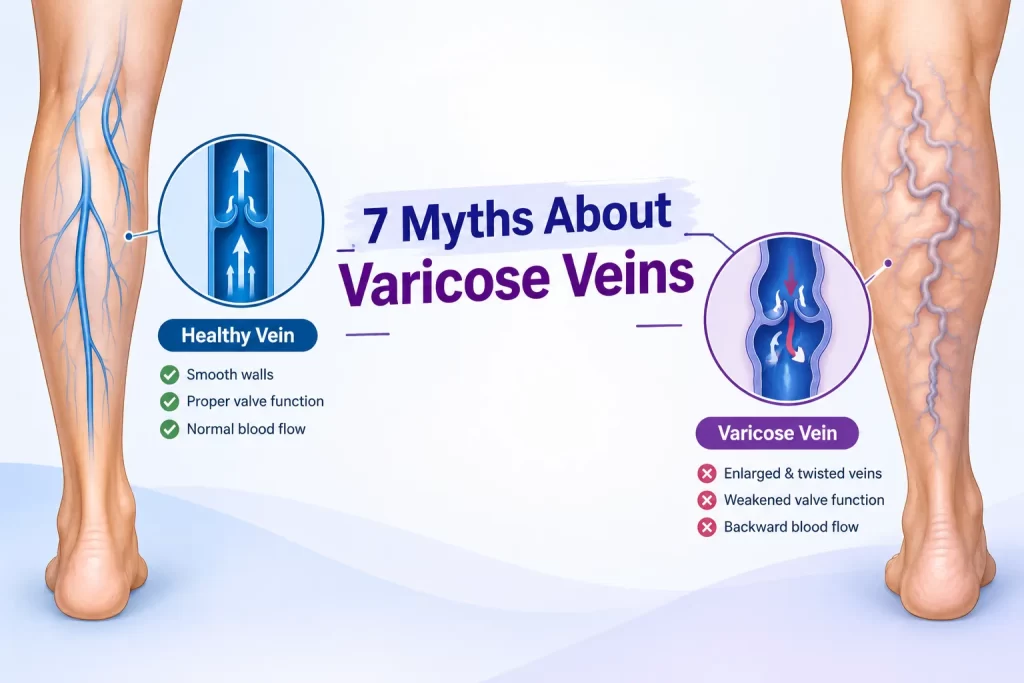
Varicose Veins and Leg Swelling
Poor circulation leads to pooling of blood in the legs, causing:
- Bulging veins
- Heaviness
- Aching pain
Deep Vein Thrombosis (DVT)
Prolonged sitting increases the risk of dangerous blood clots forming in deep veins, particularly in the legs.
Obesity: A Heavy Burden on Vascular Health
How Excess Weight Affects Blood Vessels
Obesity places continuous physical pressure on veins and arteries, making it harder for blood to circulate efficiently.
Inflammation and Vessel Damage
Fat tissue releases inflammatory chemicals that damage the inner lining of blood vessels, increasing the risk of clot formation.
Belly Fat: A Major Risk Factor
Abdominal obesity is strongly linked to vascular diseases because it:
- Increases insulin resistance
- Raises cholesterol levels
- Elevates blood pressure
Obesity and Metabolic Syndrome
What Is Metabolic Syndrome?
A cluster of conditions that includes:
- High blood pressure
- High blood sugar
- Abnormal cholesterol
- Increased waist circumference
Why It’s Dangerous
Metabolic syndrome significantly raises the risk of:
- Heart attack
- Stroke
- Peripheral artery disease
A vascular surgeon in Vadodara often evaluates these risks to prevent long-term complications.
Combined Impact of Obesity and Inactivity
When Two Risks Act Together
Sedentary behavior and obesity amplify each other’s effects, accelerating vascular damage.
Key Complications Include:
- Increased “bad” (LDL) cholesterol
- Reduced “good” (HDL) cholesterol
- Insulin resistance and type 2 diabetes
- Chronic leg pain and swelling
- Higher risk of life-threatening blood clots
Warning Signs You Should Not Ignore
Early Symptoms of Vascular Problems
- Leg pain while walking
- Persistent swelling in feet or ankles
- Visible varicose veins
- Numbness or tingling
- Skin discoloration
When to See a Vascular Surgeon in Vadodara
If these symptoms persist, early consultation helps prevent disease progression and avoids surgical emergencies.
How Physical Activity Improves Vascular Health
Benefits of Regular Movement
- Improves blood circulation
- Reduces inflammation
- Strengthens blood vessel walls
- Lowers blood pressure
Simple Activity Recommendations
- Walk for 30 minutes daily
- Take breaks from sitting every hour
- Use stairs instead of elevators
Healthy Weight Management for Strong Blood Vessels
Importance of Weight Control
Maintaining a healthy weight reduces pressure on veins and lowers inflammation.
Diet Tips for Vascular Health
- Eat vegetables, fruits, and whole grains
- Choose lean proteins
- Avoid excess salt and processed foods
- Include healthy fats like nuts and olive oil
Role of Regular Vascular Checkups
Why Screening Matters
Early detection allows lifestyle modification and medical treatment before serious damage occurs.
Tests Commonly Recommended
- Doppler ultrasound
- Ankle-brachial index
- Blood pressure and cholesterol evaluation
A qualified vascular surgeon in Vadodara can design a personalized prevention or treatment plan.
Preventive Steps You Can Take Today
Stand Up More Often
Avoid sitting continuously for more than an hour.
Stay Active Daily
Even light physical activity improves circulation.
Maintain a Healthy Weight
Seek professional guidance for sustainable results.
Monitor Your Vascular Health
Regular evaluations reduce long-term risks.
Conclusion
A sedentary lifestyle and obesity silently damage your vascular system over time, increasing the risk of serious conditions like heart disease, stroke, and blood clots. The good news is that most vascular problems are preventable with timely lifestyle changes and early medical attention.
Taking proactive steps today—and consulting an experienced vascular surgeon in Vadodara when needed—can protect your blood vessels, improve circulation, and ensure long-term health. Your vascular system works tirelessly for you; it deserves the same care in return.