
Most people don’t think about their veins and arteries until something feels wrong – a swollen leg, a wound that won’t heal, or persistent cramping while walking. The tricky part is that many vascular conditions develop slowly and quietly, so by the time symptoms become impossible to ignore, the underlying problem has often been building for months or years.
Dr. Kushan Nanavati, Vascular Surgeon in Vadodara, outlines the key signs that mean it’s time to stop waiting and book a consultation – because with vascular conditions, earlier treatment almost always means simpler treatment.
What Does a Vascular Doctor Actually Treat?
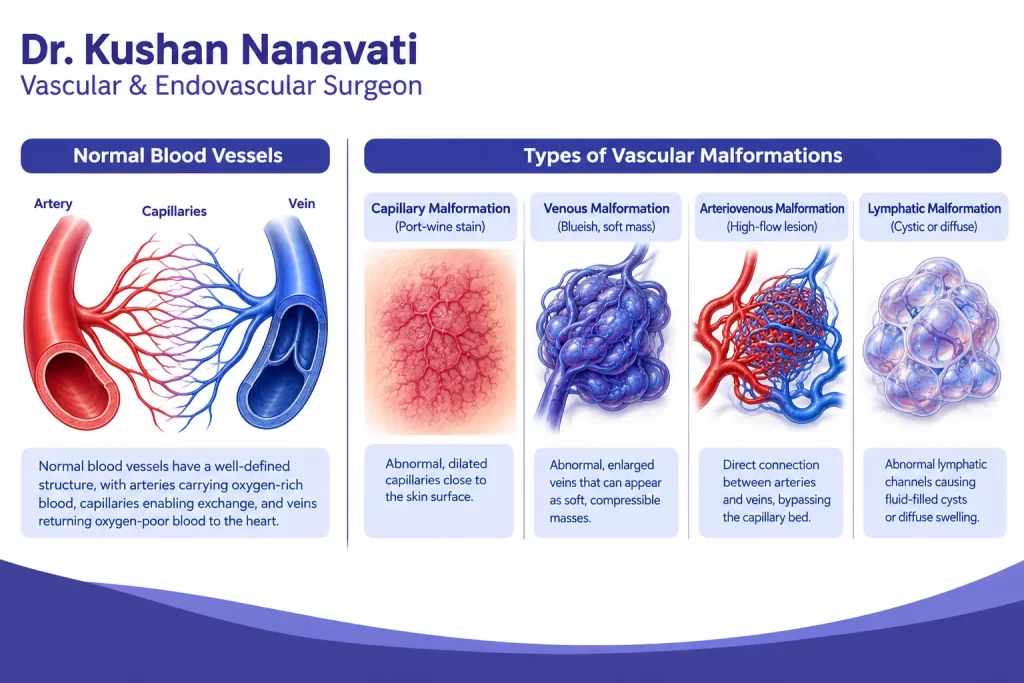
A vascular doctor (vascular surgeon) specializes in diagnosing and treating conditions affecting the circulatory system – the arteries, veins, and lymphatic vessels – everywhere in the body except the heart and brain. This includes conditions like varicose veins, venous and arterial leg ulcers, Peripheral Arterial Disease (PAD), Deep Vein Thrombosis (DVT), and vascular malformations.
Because vascular disease often overlaps with other conditions like diabetes and heart disease, a vascular doctor’s evaluation is different from what you’d get from a general physician – it specifically maps how blood is flowing (or not flowing) through your veins and arteries.
1. Persistent Leg Swelling
Occasional swelling after a long day on your feet is normal. But swelling that doesn’t go down overnight, worsens over time, or affects only one leg is a sign worth investigating. It can point to venous insufficiency, DVT, or lymphatic issues.
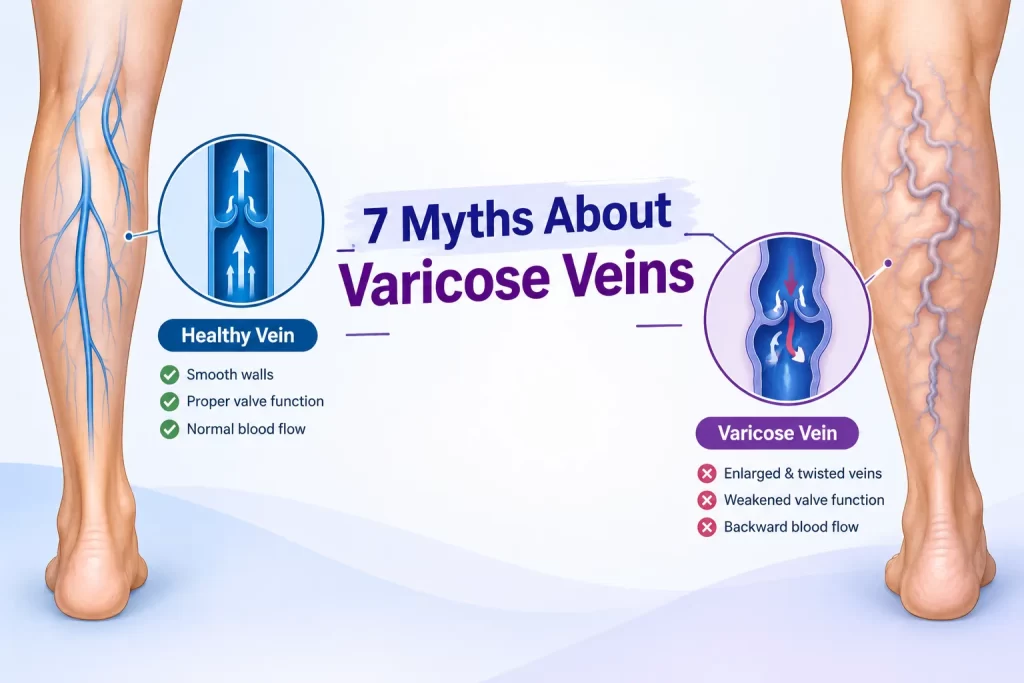
2. Visible Varicose Veins
3. Leg Pain or Cramping While Walking
4. A Wound or Ulcer on the Leg or Foot That Won't Heal
5. Skin Discoloration or Changes Around the Ankle
6. Sudden Leg Swelling, Pain, or Warmth (Possible DVT)
Sudden swelling in one leg, accompanied by pain, warmth, or redness, can indicate a Deep Vein Thrombosis (DVT) – a blood clot that requires urgent medical attention, as it carries a risk of the clot traveling to the lungs.
7. Coldness, Numbness, or Color Change in the Foot
8. A Family History of Vascular Disease
If close family members have had varicose veins, blood clots, aneurysms, or PAD, your own risk is higher. A proactive vascular consultation can help catch any early changes before symptoms even appear.
9. Diabetes, Smoking, or Long Hours of Standing/Sitting
10. A Pulsating Lump in the Abdomen or Behind the Knee
Why Early Consultation Matters
Vascular conditions rarely improve on their own, and delaying evaluation typically means:
- More advanced disease by the time treatment starts
- Fewer minimally invasive treatment options available
- Higher risk of complications like ulcers, infections, or clots
- Longer recovery times
Catching a vascular problem early – even a mild one – usually means it can be managed with simpler, less invasive approaches like compression therapy, lifestyle changes, or outpatient procedures, rather than more extensive surgery later.
What Happens During a Vascular Consultation?
A typical first visit with a vascular surgeon includes:
- Detailed history – understanding your symptoms, lifestyle, and risk factors
- Physical examination – checking pulses, skin condition, swelling, and visible vein changes
- Doppler ultrasound – a painless scan to assess blood flow in the veins or arteries
- Discussion of findings – a clear explanation of what’s happening and the treatment options available
Consult a Vascular Surgeon in Vadodara Without Delay
As a Vascular Surgeon in Vadodara, Dr. Kushan Nanavati encourages patients not to wait until symptoms become severe or a wound refuses to heal. If you notice any of the signs above – whether it’s swelling, visible veins, leg pain on walking, or a wound that isn’t healing – a timely consultation can identify the cause early and open up simpler, more effective treatment options.
Your vascular health affects far more than your legs – early attention today can prevent serious complications tomorrow.
Frequently Asked Questions
1. What symptoms mean I should see a vascular doctor?
Persistent leg swelling, visible varicose veins, leg pain while walking, non-healing wounds, skin discoloration, or sudden leg pain and swelling all warrant a vascular consultation.