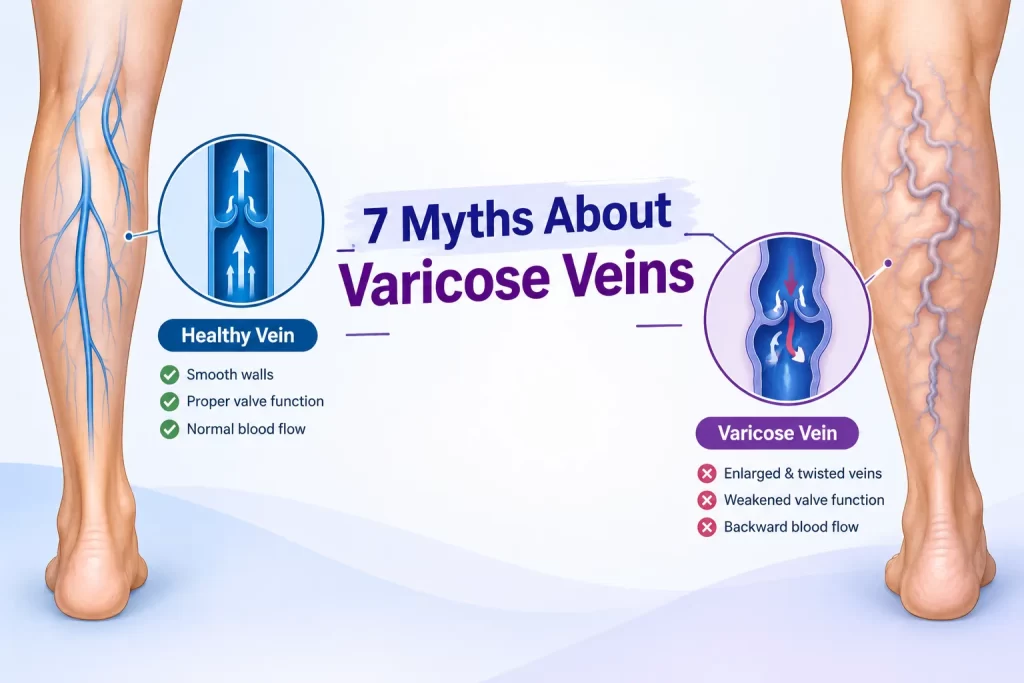

Varicose veins are often treated as nothing more than a cosmetic issue. Many people notice enlarged, twisted veins on their legs and simply assume they are a normal part of aging. Others believe that varicose veins will disappear on their own or that treatment is only necessary when the veins become painful.
The truth is a little more complicated.
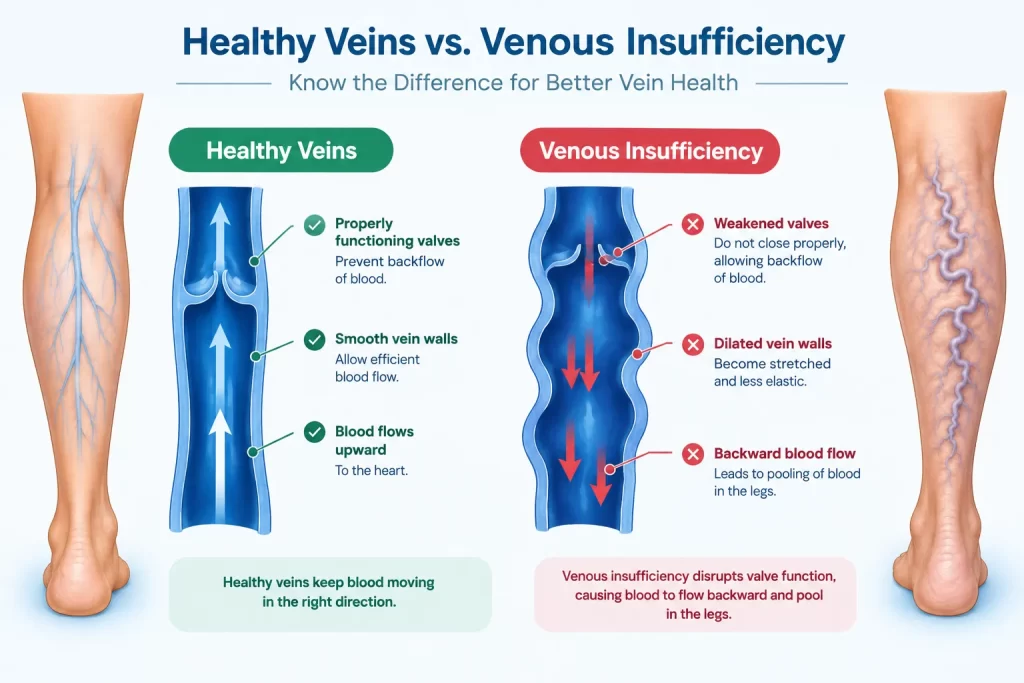
Varicose veins are enlarged and twisted veins that commonly develop in the legs when blood does not flow efficiently back toward the heart. They can cause visible changes in the skin, but they may also be associated with symptoms such as aching, heaviness, swelling, itching, and skin changes.
Unfortunately, several myths continue to prevent people from seeking timely medical advice.
If you have visible or symptomatic varicose veins, understanding what is fact and what is fiction can help you make better decisions about your vascular health.
Myth 1: Varicose Veins Are Only a Cosmetic Problem
This is one of the most common misconceptions.
While some people develop varicose veins without significant symptoms, they can sometimes be associated with discomfort and other complications. Patients may experience aching, heaviness, swelling, itching, or tiredness in the legs, particularly after standing for long periods.
Long-standing vein problems can also contribute to skin discoloration, inflammation, and in some cases ulcers around the lower leg.
That does not mean every visible varicose vein is dangerous. However, dismissing all varicose veins as cosmetic may cause people to overlook symptoms that deserve medical evaluation.
If your veins are accompanied by persistent pain, swelling, skin changes, or other symptoms, consider consulting a Vascular Doctor in Vadodara for an appropriate assessment.
Myth 2: Varicose Veins Happen Only to Older People
Age can increase the likelihood of developing varicose veins, but they are certainly not limited to older adults.
Several factors can contribute to their development, including genetics, pregnancy, prolonged standing, excess weight, and reduced movement. People who spend many hours standing or sitting for work may also experience increased pressure on the veins of the legs.
A family history can be particularly relevant. If close family members have varicose veins, your own risk may be higher.
So, noticing varicose veins at a younger age does not necessarily mean something unusual is happening. It is more important to consider the overall symptoms and underlying vein function.
Myth 3: Exercise Makes Varicose Veins Worse
Many people with varicose veins avoid exercise because they believe physical activity will worsen their condition.
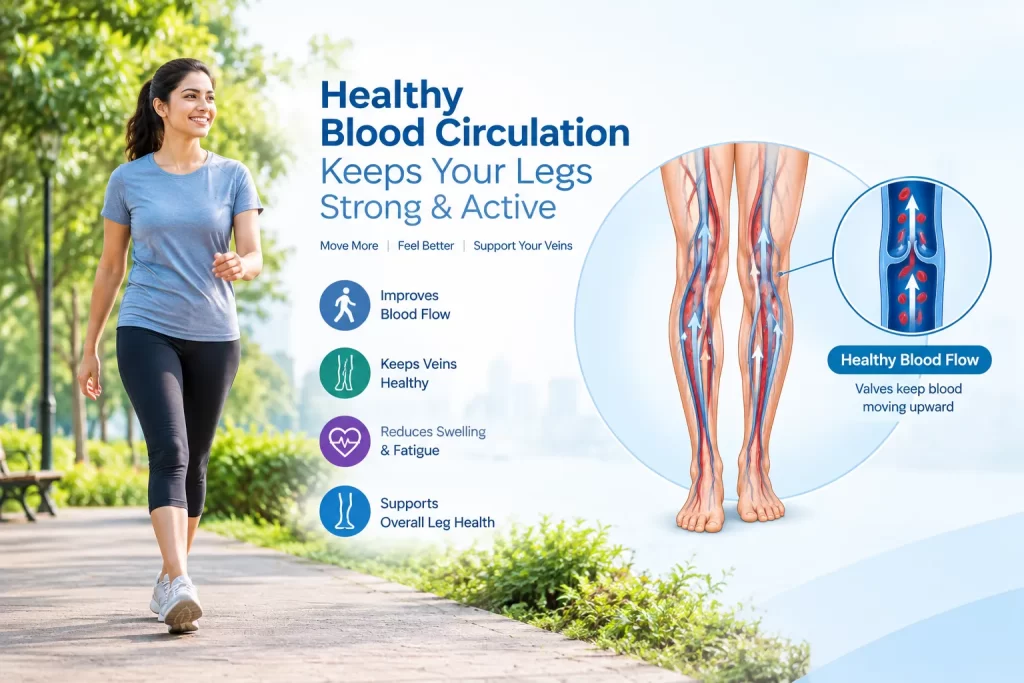
In reality, appropriate physical activity can support healthy circulation. Walking, for example, activates the calf muscles, which play an important role in helping blood move upward from the legs.
Regular movement can also help reduce prolonged periods of sitting or standing, which may contribute to leg discomfort.
That said, not every exercise routine is suitable for every individual. If you already have significant symptoms or another vascular condition, speak with a healthcare professional before making major changes to your exercise routine.
The goal is not to stop moving because you have varicose veins. In most cases, maintaining sensible physical activity is part of a healthy lifestyle.
Myth 4: Varicose Veins Always Need Surgery
Another common misconception is that the only way to treat varicose veins is through traditional surgery.
Modern vein care has evolved considerably. Depending on the underlying problem, symptoms, and findings on evaluation, treatment may include lifestyle measures, compression therapy, minimally invasive procedures, or surgery in selected cases.
The right treatment depends on the individual patient. A doctor may recommend a Doppler ultrasound to assess blood flow and identify problems with the veins before suggesting treatment.
For people considering Varicose Veins Treatment in Vadodara, an evaluation by an experienced vascular specialist can help determine whether treatment is actually required and which option may be appropriate.
Treatment should be based on the underlying venous problem – not simply on how the veins look from the outside.
Myth 5: If Varicose Veins Don't Hurt, They Don't Need Attention
Pain is not the only reason to get varicose veins evaluated.
Some patients have visible varicose veins but experience little or no discomfort. Others may develop swelling, itching, skin changes, or a feeling of heaviness without describing their symptoms as pain.
Changes in the skin around the ankle or lower leg can be particularly important. Persistent discoloration, thickening of the skin, or wounds that are slow to heal may indicate more advanced venous problems.
This is why the decision to seek medical advice should not depend entirely on whether the veins hurt.
A Varicose Veins Treatment Specialist in Vadodara can assess the condition, identify possible underlying venous insufficiency, and explain whether monitoring or treatment is appropriate.
Myth 6: Varicose Veins Will Always Go Away on Their Own
Unfortunately, established varicose veins generally do not simply disappear without treatment.
Lifestyle changes can help manage symptoms and support overall circulation, but they do not necessarily eliminate damaged or enlarged veins.
Measures such as regular walking, avoiding prolonged periods of inactivity, maintaining a healthy weight, elevating the legs when appropriate, and following medical advice regarding compression can help some people manage symptoms.
However, if the underlying vein problem is causing persistent symptoms or complications, medical treatment may be considered.
The good news is that patients today have several treatment options, and many procedures can be performed using minimally invasive techniques.
Myth 7: Varicose Veins Are Nothing to Worry About
This myth can be particularly problematic because it encourages people to ignore persistent symptoms.
Most varicose veins are not an emergency, and having them does not automatically mean that a serious complication will develop. However, some patients can experience complications related to chronic venous disease.
These may include skin changes, inflammation, bleeding from superficial veins, or venous ulcers in more advanced cases.
Sudden leg swelling, significant pain, redness, warmth, or other rapidly developing symptoms should not simply be assumed to be ordinary varicose veins. Such symptoms require appropriate medical evaluation.
If you have long-standing vein problems or symptoms that are getting worse, speaking with a Vascular Surgeon in Vadodara can help clarify what is happening and whether treatment is necessary.
What Actually Helps Manage Varicose Veins?
There is no single solution that works for everyone. Management depends on the severity of the condition and whether an underlying venous circulation problem is present.
Some general measures that may help include:
- Staying physically active and walking regularly
- Avoiding prolonged sitting or standing whenever possible
- Maintaining a healthy body weight
- Elevating the legs when recommended
- Following medical advice regarding compression stockings
- Seeking evaluation if symptoms persist or worsen
These measures may help with symptoms, but they should not be considered a substitute for professional assessment when significant vein problems are present.
When Should You See a Vascular Specialist?
Consider consulting a vascular specialist if you have varicose veins accompanied by persistent aching, swelling, heaviness, itching, skin discoloration, recurrent inflammation, or wounds around the lower legs.
You should also seek medical attention if a vein suddenly becomes painful, hard, red, or significantly swollen.
An examination and, when appropriate, a Doppler ultrasound can help determine whether the visible veins are associated with an underlying venous circulation problem.
Dr. Kushan Nanavati evaluates and manages a range of vascular conditions and can help patients understand whether their varicose veins require observation, lifestyle management, or further treatment.
Frequently Asked Questions
1. Are varicose veins dangerous?
2. Can walking reduce varicose veins?
3. Should I exercise if I have varicose veins?
4. Do varicose veins always require treatment?
5. Can varicose veins come back after treatment?
6. What is the best treatment for varicose veins?
7. When should I see a vascular surgeon for varicose veins?
Conclusion
Varicose veins are common, but the myths surrounding them can make it difficult for patients to know when they should seek help.
They are not necessarily just a cosmetic concern, they do not affect only older adults, and having varicose veins does not mean that surgery is automatically required. At the same time, persistent symptoms and changes in the skin should not be ignored simply because the veins have been present for a long time.
The right approach begins with an accurate assessment. Depending on the individual’s condition, treatment may range from lifestyle measures and observation to minimally invasive procedures or other medical interventions.
If you are concerned about varicose veins, consulting Dr. Kushan Nanavati can help you understand the condition and the treatment options that may be appropriate for your vascular health.
Medical Disclaimer: This article is intended for general educational purposes only and should not be considered a substitute for professional medical examination, diagnosis, or personalised treatment advice.