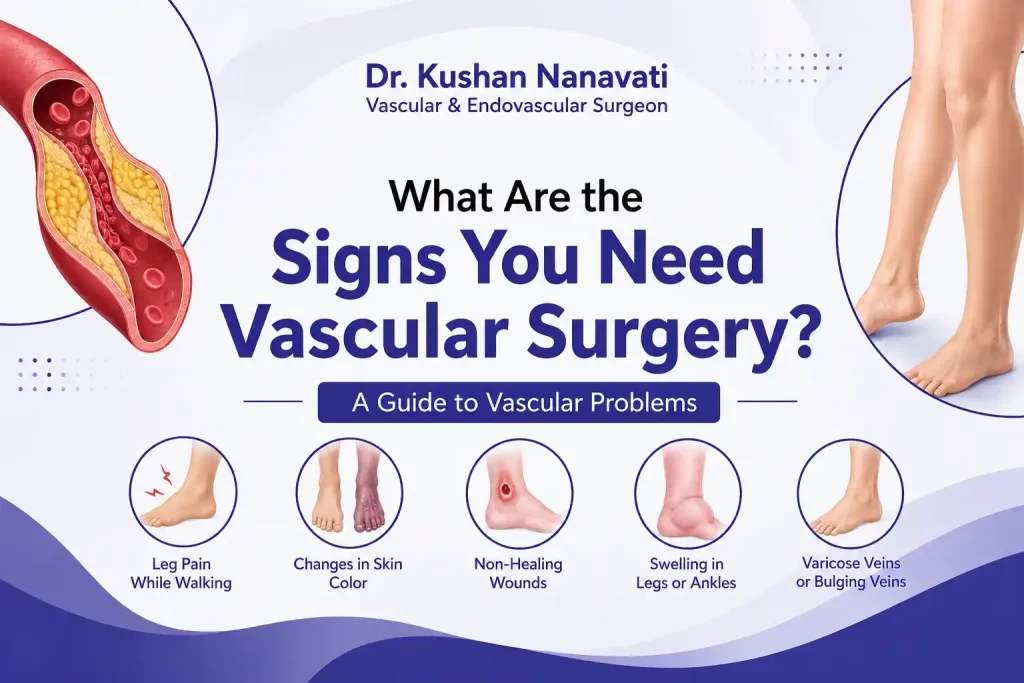

Blood vessels carry oxygen-rich blood throughout the body and return blood to the heart. When an artery or vein becomes narrowed, blocked, weakened, or damaged, it can affect circulation and sometimes lead to serious complications. But does every circulation problem require surgery? No. Many vascular conditions can be managed with lifestyle changes, medicines, compression therapy, or minimally invasive procedures. Surgery is considered when the condition is severe, symptoms persist, or blood flow is at risk.
Knowing the warning signs can help you seek medical attention at the right time. If you have persistent leg pain, non-healing wounds, sudden swelling, or other circulation-related symptoms, an evaluation by a Vascular Surgeon in Vadodara can help determine the underlying cause and the most suitable treatment.
What Does Vascular Surgery Treat?
Vascular surgery focuses on diseases affecting blood vessels outside the heart and brain, particularly arteries and veins. A vascular specialist evaluates circulation problems and determines whether observation, medication, a minimally invasive procedure, or surgery is appropriate.
Common conditions managed by vascular surgeons include:
- Peripheral artery disease (PAD)
- Varicose veins and chronic venous disease
- Deep vein thrombosis (DVT)
- Carotid artery disease
- Aneurysms
- Arterial blockages
- Poor circulation and limb-threatening ischemia
- Certain vascular problems associated with diabetes
Not every vascular condition requires an operation. The treatment depends on the affected blood vessel, severity of disease, symptoms, overall health, and risk of complications.
Warning Signs That May Need Vascular Evaluation
1. Leg Pain While Walking
A common warning sign of peripheral artery disease is pain, cramping, or heaviness in the calf, thigh, or buttock that appears during walking and improves after resting. This happens when narrowed arteries cannot provide enough blood to working muscles.
If this pattern occurs repeatedly, it should not simply be dismissed as normal tiredness or aging. A vascular evaluation can help identify whether reduced arterial blood flow is responsible.
2. Persistent Pain at Rest
More advanced circulation problems may cause pain even when you are resting, particularly in the foot or toes. Pain that becomes worse at night or when the leg is elevated can sometimes indicate significantly reduced blood flow.
Persistent or worsening rest pain requires timely medical assessment because severe arterial disease can threaten the health of the affected limb.
3. Wounds That Do Not Heal
A small cut, blister, or sore that takes unusually long to heal can be a sign of poor circulation. This is particularly important for people with diabetes or known artery disease.
Reduced blood flow can limit the oxygen and nutrients needed for tissue repair. A vascular specialist can assess circulation and determine whether additional treatment is necessary.
4. Cold, Pale, or Discoloured Feet
Changes in skin temperature or colour can indicate reduced circulation. One foot may feel noticeably colder than the other, or the skin may appear unusually pale, bluish, or darker than normal.
These changes do not always mean surgery is required, but they deserve medical evaluation, especially when combined with pain, numbness, or wounds.
5. Sudden Leg Swelling and Pain
Swelling, tenderness, warmth, or redness in one leg can occur with a deep vein thrombosis (DVT), a blood clot in a deep vein. DVT needs prompt medical attention because a clot can sometimes travel to the lungs and cause a potentially dangerous pulmonary embolism.
Sudden unexplained swelling should not be treated at home without professional advice.
6. Enlarged or Painful Varicose Veins
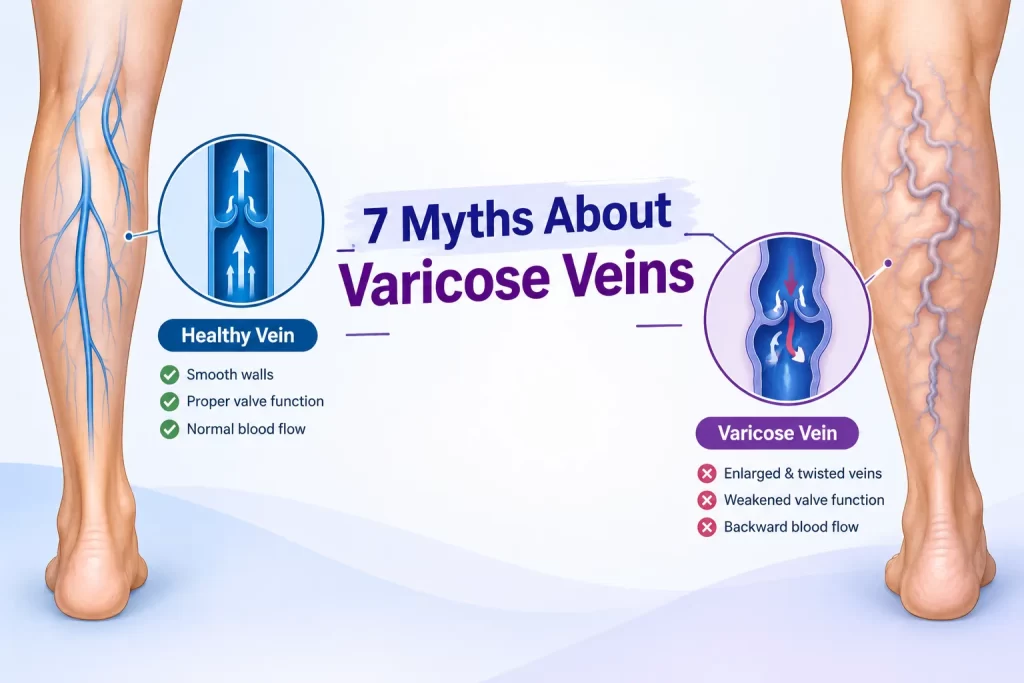
Varicose veins are enlarged, twisted veins that commonly develop in the legs. They are often harmless, but symptoms such as persistent aching, heaviness, swelling, skin changes, bleeding, or recurrent vein-related problems may require treatment.
Depending on the condition, treatment may involve compression, lifestyle measures, minimally invasive vein procedures, or surgery.
When Is Vascular Surgery Considered?
The presence of symptoms does not automatically mean you need an operation. A vascular surgeon first identifies the cause and assesses how significantly circulation is affected.
Surgical or procedural treatment may be considered when:
- An artery is severely narrowed or blocked.
- Blood flow to a limb is significantly reduced.
- A vascular condition creates a risk of tissue damage.
- Aneurysm characteristics make intervention appropriate.
- Symptoms remain troublesome despite conservative treatment.
- A vein condition causes significant symptoms or complications.
- There is an urgent vascular problem requiring immediate treatment.
Depending on the diagnosis, options can include angioplasty, stent placement, bypass surgery, endovascular procedures, or vein treatments. The appropriate approach varies from one patient to another.
How Are Vascular Problems Diagnosed?
A vascular assessment usually begins with a discussion of symptoms, medical history, medications, and risk factors. The doctor may examine pulses, skin colour, temperature, swelling, and other signs of circulation.
Depending on the suspected condition, tests may include:
- Doppler or duplex ultrasound
- Ankle-brachial index (ABI)
- CT angiography
- MR angiography
- Other vascular imaging when clinically required
These tests help determine where the problem is located and how seriously it affects blood flow.
Risk Factors That Should Not Be Ignored
Some factors increase the likelihood of developing vascular disease. These include smoking, diabetes, high blood pressure, high cholesterol, obesity, physical inactivity, increasing age, and a history of cardiovascular disease.
Family history may also influence vascular risk. Managing these factors through appropriate medical care, regular physical activity, a balanced diet, and smoking cessation can support better vascular health.
When Should You See a Vascular Specialist?
You should consider a vascular consultation if you have persistent circulation-related symptoms, especially if they interfere with walking or daily activities.
Seek urgent medical attention for symptoms such as sudden severe limb pain, sudden loss of sensation or movement, a cold or pale limb, rapidly worsening swelling, or signs of a serious blood clot.
For people looking for a Vascular Surgeon in Vadodara, Dr. Kushan Nanavati can evaluate vascular symptoms and help determine whether conservative management, a vascular procedure, or surgery may be appropriate. The goal is to identify the problem accurately rather than assume that surgery is always necessary.
Can Vascular Problems Be Prevented?
Not every vascular condition can be prevented, but several habits can reduce risk and support healthy circulation.
- Avoid smoking and tobacco exposure.
- Keep diabetes, blood pressure, and cholesterol under appropriate control.
- Stay physically active according to your doctor’s advice.
- Maintain a healthy body weight.
- Follow prescribed medicines consistently.
- Do not ignore persistent wounds or changes in the legs and feet.
- Attend recommended medical follow-ups if you have known vascular disease.
Early evaluation is especially useful when symptoms are new or gradually becoming worse.
Conclusion
Vascular surgery is not automatically required whenever someone experiences leg pain, swelling, varicose veins, or circulation changes. The key is understanding whether the symptoms indicate an underlying blood vessel problem and how severe that problem may be.
Persistent walking-related leg pain, rest pain, non-healing wounds, unusual changes in skin colour or temperature, and sudden one-sided swelling should receive appropriate medical attention. If you are experiencing these symptoms in Vadodara, consulting a qualified vascular specialist such as Dr. Kushan Nanavati can help you understand the cause and available treatment options. An early, accurate evaluation can help guide the next step in care.