
Your vascular system plays a vital role in maintaining overall health by ensuring proper blood circulation throughout the body. When something goes wrong with your arteries or veins, the symptoms may not always be obvious at first; but ignoring them can lead to serious complications.
Recognizing the early warning signs and seeking timely care from an experienced Vascular Doctor in Vadodara like Dr. Kushan Nanavati, Vascular Surgeon in Vadodara, can help prevent severe health issues and improve long-term outcomes.
Understanding Vascular Health
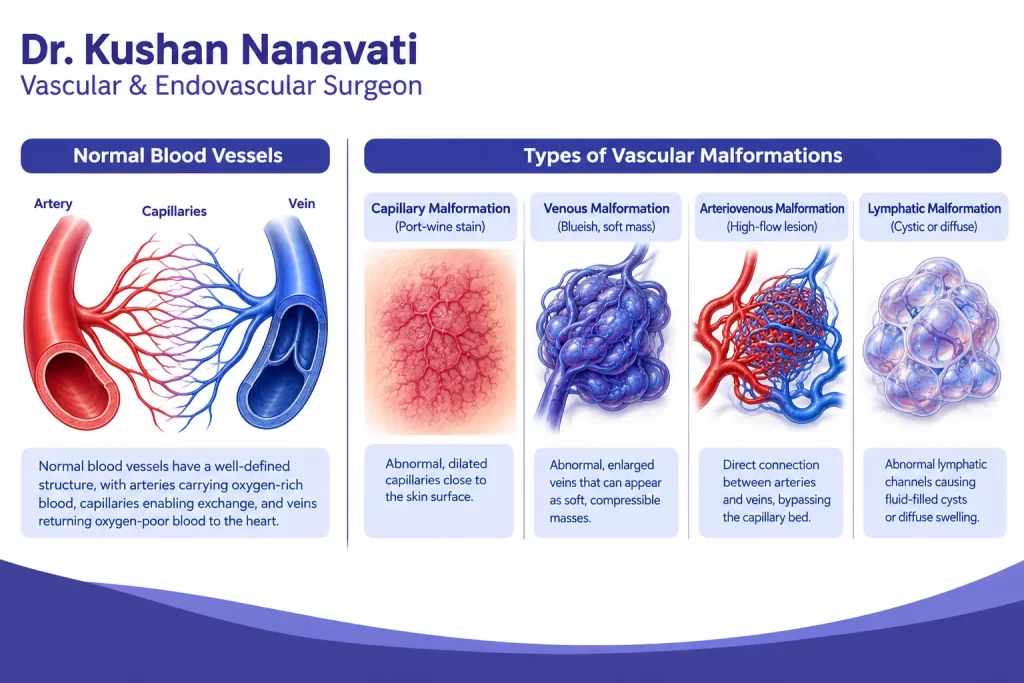
The vascular system includes arteries, veins, and capillaries that transport blood, oxygen, and nutrients throughout the body. Any disruption in this system can affect organ function and overall well-being.
Vascular diseases often develop gradually, making early detection essential for effective treatment.
Common Warning Signs You Should Not Ignore
Persistent Leg Pain or Cramping
What it may indicate:
- Narrowed or blocked arteries
- Reduced oxygen supply to muscles
Swelling in Legs or Feet
Possible causes:
- Varicose veins
- Deep vein thrombosis (DVT)
- Fluid retention due to vascular problems
Non-Healing Wounds or Ulcers
Wounds that take longer than usual to heal, especially on the legs or feet, can indicate poor blood circulation.
Why it matters:
- Increased risk of infection
- Potential progression to serious conditions like gangrene
Skin Discoloration or Changes
Signs to watch:
- Shiny or thin skin
- Cold or numb extremities
Varicose Veins and Visible Vein Changes
Bulging, twisted veins are not just a cosmetic concern; they may indicate underlying vascular problems.
Associated symptoms:
- Heaviness in legs
- Itching or discomfort
- Swelling after prolonged standing
Sudden Numbness or Weakness
Sudden numbness, especially on one side of the body, may indicate a serious vascular condition affecting blood flow to the brain.
This requires immediate attention as it may be linked to:
- Stroke
- Blocked arteries
Common Causes of Vascular Problems
Understanding the underlying causes helps in early prevention and management.
Lifestyle Factors
Unhealthy habits such as smoking, lack of exercise, and poor diet can damage blood vessels over time.
Chronic Medical Conditions
Conditions like diabetes, high blood pressure, and high cholesterol increase the risk of vascular diseases.
Aging and Genetic Factors
When Should You See a Vascular Doctor?
If you notice any of the symptoms mentioned above, it is important not to delay medical consultation. Early evaluation helps identify the problem before it becomes severe.
Seeking timely care from a qualified Vascular Doctor in Vadodara ensures accurate diagnosis and appropriate treatment.
Diagnostic Approach
A vascular specialist uses advanced techniques to evaluate blood flow and detect abnormalities.
Common Diagnostic Methods Include:
- Physical examination
- Ultrasound or Doppler studies
- CT or MR angiography
Treatment Options Available
Treatment depends on the type and severity of the condition.
Lifestyle Modifications
Improving lifestyle habits can significantly enhance vascular health. This includes regular exercise, a balanced diet, and quitting smoking.
Medications
Doctors may prescribe medications to control blood pressure, cholesterol levels, or prevent clot formation.
Minimally Invasive Procedures
Advanced procedures can restore blood flow without major surgery.
Examples include:
- Angioplasty
- Stenting
- Endovascular treatments
Surgical Interventions
In severe cases, surgery may be required to bypass blocked arteries or remove damaged veins.
Early treatment by a skilled Vascular Doctor in Vadodara can prevent complications and improve recovery outcomes.
Benefits of Early Diagnosis and Treatment
Timely medical intervention offers several advantages.
Key Benefits:
- Prevention of serious complications
- Improved blood circulation
- Reduced need for major surgery
- Faster recovery and better quality of life
Early care plays a crucial role in maintaining overall health and preventing long-term issues.
Expert Insights from Dr. Kushan Nanavati
According to Dr. Kushan Nanavati, Vascular Surgeon in Vadodara, many patients delay seeking treatment because symptoms seem minor initially. However, early diagnosis is essential to prevent progression.
He emphasizes regular health check-ups, especially for individuals with diabetes, high blood pressure, or a family history of vascular disease.
Patient Outcomes with Timely Treatment
Patients who seek early treatment often experience significant improvement in symptoms and overall health. Circulation improves, pain reduces, and the risk of complications decreases.
Delayed treatment, on the other hand, may lead to more complex conditions requiring advanced procedures or prolonged recovery.
Prevention Tips for Better Vascular Health
Maintaining healthy blood vessels requires consistent effort and awareness.
Simple preventive measures include:
- Staying physically active
- Maintaining a healthy weight
- Managing blood sugar and cholesterol levels
- Avoiding smoking
- Regular medical check-ups
These steps help reduce the risk of developing vascular diseases.
Why Choose Dr. Kushan Nanavati for Vascular Care?
Choosing the right specialist is crucial for effective diagnosis and treatment.
Key advantages:
- Expertise in vascular and endovascular procedures
- Advanced diagnostic techniques
- Personalized treatment plans
- Focus on patient safety and long-term outcomes
Frequently Asked Questions
1. What are the early signs of vascular disease?
2. When should I consult a vascular doctor?
3. Are vascular diseases treatable?
4. Is surgery always required for vascular problems?
5. How can I prevent vascular diseases?
Conclusion
Vascular problems often develop silently, but the warning signs should never be ignored. Recognizing symptoms such as persistent pain, swelling, non-healing wounds, or skin changes can help you seek timely medical care.
Consulting an experienced Vascular Doctor in Vadodara at the right time can prevent serious complications and improve your overall health. With expert guidance from Dr. Kushan Nanavati, patients can benefit from accurate diagnosis, advanced treatment, and better long-term outcomes.