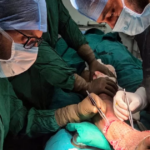

Understanding Diabetic Foot Complications
Diabetic foot complications occur due to two major issues: nerve damage (neuropathy) and poor blood circulation (peripheral artery disease). Together, these conditions make it difficult for wounds to heal and increase the risk of infection.
When blood flow is reduced, even minor cuts or blisters may not heal properly. At the same time, nerve damage prevents patients from feeling pain, which means injuries often go unnoticed until they become severe.
Why Diabetic Patients Are at High Risk
People with diabetes face a higher risk of foot complications due to multiple factors.
1. Nerve Damage (Neuropathy)
2. Poor Blood Circulation
Diabetes narrows blood vessels, reducing oxygen supply to the feet. This slows healing and increases the risk of infection.
3. Weak Immune Response
Role of a Vascular Doctor in Preventing Complications
A vascular specialist focuses on blood vessels and circulation-related problems. Early intervention by a Vascular Doctor in Vadodara can significantly reduce the risk of diabetic foot complications.
Early Detection of Circulation Problems
How it helps:
- Detects blocked or narrowed arteries
- Identifies reduced blood supply early
- Prevents progression to ulcers or gangrene
Comprehensive Foot Evaluation
A vascular doctor performs detailed examinations to assess foot health in diabetic patients.
This includes checking skin condition, temperature, pulse in the feet, and wound healing capacity. Advanced imaging tests like Doppler ultrasound may also be used to evaluate blood flow.
Preventing Ulcers and Infections
Key preventive measures include:
- Improving blood flow through medical or surgical methods
- Treating minor wounds immediately
- Educating patients on daily foot care
How Dr. Kushan Nanavati Helps Patients Prevent Diabetic Foot Complications
Dr. Kushan Nanavati, Best Vascular Surgeon in Vadodara, plays a vital role in managing high-risk diabetic patients through a structured and preventive approach.
Advanced Diagnostic Techniques
Early and accurate diagnosis is the foundation of effective treatment. Dr. Nanavati uses advanced vascular imaging techniques to detect circulation issues at an early stage.
This helps in identifying blockages before they cause serious damage.
Personalized Treatment Plans
Every patient’s condition is different. Treatment is tailored based on severity, circulation status, and overall health.
In some cases, medications and lifestyle modifications are sufficient, while in others, minimally invasive procedures may be required to restore blood flow.
Minimally Invasive Procedures
When necessary, modern vascular procedures are used to improve circulation without major surgery.
These procedures help restore blood flow, promote healing, and reduce the risk of complications such as ulcers or gangrene.
Warning Signs That Require Immediate Attention
Common warning signs include:
- Persistent foot pain or tingling
- Numbness in feet or toes
- Slow-healing wounds
- Skin discoloration or dryness
- Swelling in lower limbs
- Foul-smelling discharge from wounds
Treatment Approaches for Diabetic Foot Care
Treatment depends on the severity of the condition and may include multiple approaches.
1. Medical Management
Medications are used to control infection, improve circulation, and manage pain. Blood sugar control is also critical for healing.
2. Wound Care Management
3. Vascular Interventions
In cases of reduced blood flow, procedures such as angioplasty may be performed to restore circulation.
4. Lifestyle Modifications
Benefits of Early Vascular Consultation
Early consultation with a vascular specialist provides significant benefits.
Key advantages include:
- Prevention of foot ulcers and infections
- Faster wound healing
- Reduced risk of amputation
- Improved quality of life
- Better long-term diabetes management
Patient Outcomes with Early Intervention
Patients who receive early vascular care experience significantly better outcomes. Small wounds heal faster, circulation improves, and the risk of complications is greatly reduced.
On the other hand, delayed treatment often leads to infections that require advanced procedures or long recovery periods. This highlights the importance of early diagnosis and regular vascular check-ups.
Prevention Tips for Diabetic Foot Complications
Simple preventive steps include:
- Checking feet daily for injuries or changes
- Keeping blood sugar levels under control
- Wearing comfortable and well-fitted footwear
- Avoiding walking barefoot
- Keeping feet clean and moisturized
- Scheduling regular vascular check-ups
Why Choose Dr. Kushan Nanavati for Vascular Care?
Reasons patients trust Dr. Nanavati:
- Expertise in vascular and endovascular treatments
- Focus on early diagnosis and prevention
- Advanced minimally invasive techniques
- Patient-centric and personalized care approach
Frequently Asked Questions
1. Why is a vascular doctor important for diabetic foot care?
2. Can diabetic foot complications be prevented?
3. What are early signs of diabetic foot problems?
4. When should I consult a vascular doctor?
5. Is treatment always surgical?
Conclusion
Diabetic foot complications can have serious consequences if not addressed early. However, with proper care, regular monitoring, and timely intervention, they are largely preventable.
Consulting an experienced Vascular Doctor in Vadodara like Dr. Kushan Nanavati, Best Vascular Surgeon in Vadodara, ensures early diagnosis, effective treatment, and better long-term outcomes. With the right medical guidance, patients can avoid complications, maintain mobility, and lead a healthier life.