
Introduction
Varicose veins affect many people who spend long hours standing, sitting, or traveling. Among NRI patients, this condition often becomes more severe due to long flights, work pressure, irregular routines, and delayed medical visits. What may begin as visible veins or mild leg discomfort can slowly progress to pain, swelling, skin changes, and serious vein problems if left untreated.
Today, modern vascular care in India offers safe, effective, and time-efficient treatment options that suit the needs of NRI patients who plan short medical visits. With expert care from specialists such as Dr. Kushan Nanavati, Vascular Surgeon in Vadodara and Varicose Veins Specialist in Vadodara, patients receive accurate diagnosis, clear treatment planning, and reliable outcomes.
What Are Varicose Veins
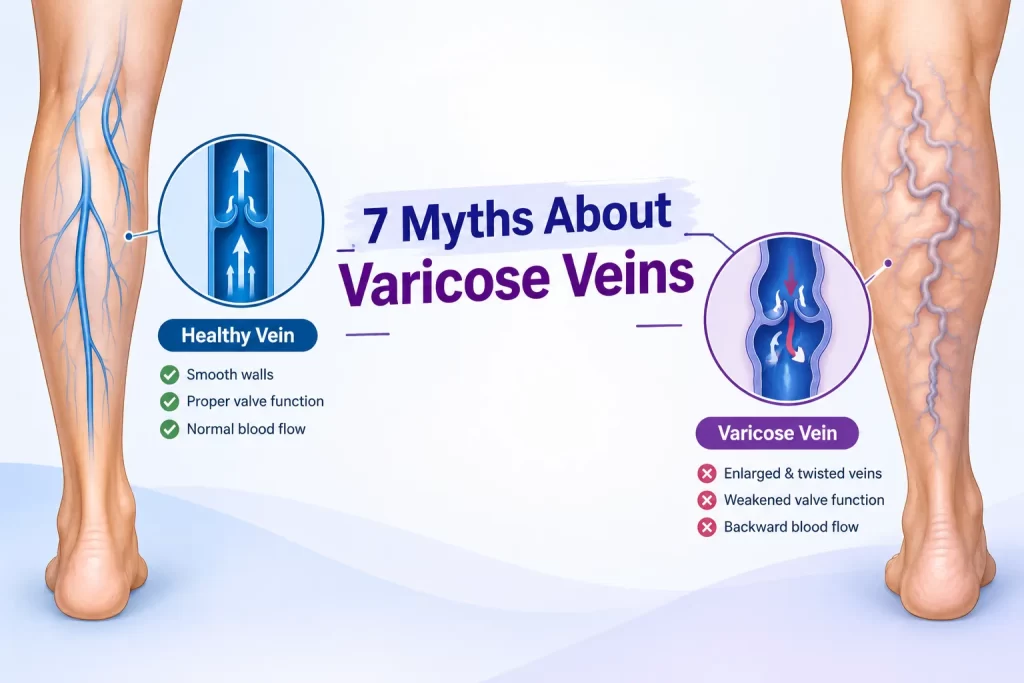
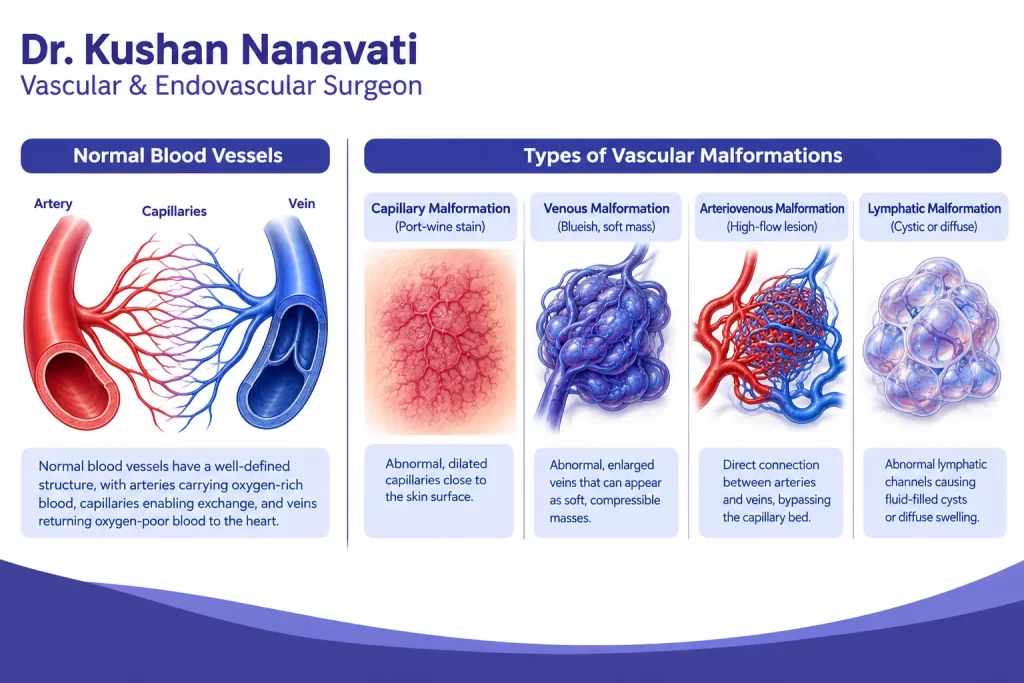
Varicose veins are enlarged, twisted veins that appear close to the surface of the skin. They usually affect the legs, feet, and ankles. These veins develop when the valves inside the veins fail to move blood upward toward the heart. As blood collects in the vein, pressure rises, which causes the vein to expand and become visible.
These veins often look blue or purple and may feel heavy, warm, or painful. Some patients report itching, muscle cramps at night, or a tired feeling in the legs. In early stages, symptoms may remain mild. In advanced stages, skin damage, pigmentation, and open wounds may develop.
Spider veins are smaller surface veins that may appear near varicose veins. They share similar causes but differ in size and severity.
Why NRI Patients Face Higher Risk
NRI patients often manage busy work schedules, long travel hours, and limited time for medical visits. These factors place extra stress on leg veins.
Common Risk Factors in NRI Patients
- Long international flights with limited movement
- Prolonged sitting due to desk-based jobs
- Irregular sleep patterns
- Delay in medical consultation
- Lack of compression use during travel
When vein problems remain untreated for long periods, symptoms often worsen. Planned medical visits to India allow early diagnosis and proper care before complications develop.
Common Causes of Varicose Veins
Several factors weaken vein walls and valves over time.
Age-Related Vein Changes
As people grow older, veins lose elasticity. Valves may fail to close fully, which allows blood to move backward and pool.
Long Standing or Sitting Hours
Jobs that demand standing for many hours or continuous desk work reduce healthy blood flow in the legs.
Hormonal Changes
Pregnancy, menopause, and oral contraceptives affect vein wall strength. Women face a higher risk due to hormone variation.
Excess Body Weight
Extra weight increases pressure on leg veins and slows blood return.
Family History
Patients with a family history of varicose veins may develop symptoms earlier due to genetic factors.
Symptoms That Need Medical Attention
Mild symptoms may seem manageable, but persistent or worsening signs should not be ignored.
Early Symptoms
- Heaviness in legs
- Aching pain after long hours
- Mild ankle swelling
Advanced Warning Signs
- Darkening or thick skin near ankles
- Hard or tender veins
- Non-healing leg wounds
- Sudden pain with redness
- Bleeding from surface veins
These signs require evaluation by a vascular specialist without delay.
Possible Complications Without Treatment
Most patients do not face complications, but advanced cases may progress if care is delayed.
Chronic Venous Insufficiency
Poor blood return leads to persistent swelling, skin thickening, and leg ulcers.
Superficial Vein Clots
Clots in surface veins cause pain and inflammation and usually respond well to timely treatment.
Deep Vein Thrombosis
Clots in deep veins pose serious health risk and require urgent medical care.
Pulmonary Embolism
A clot may travel to the lungs, which can become life-threatening.
Early treatment helps prevent these risks.
Latest Varicose Veins Treatment Options
Modern treatment focuses on safety, comfort, and fast recovery. Most procedures do not require hospital admission.
Endovenous Laser Treatment
Laser energy seals faulty veins from inside. The body later absorbs the closed vein naturally. This method involves local anesthesia, no stitches, same-day discharge, and high success rates. It suits NRI patients with limited stay duration.
Radiofrequency Ablation
This method uses controlled heat to close damaged veins. Patients experience less post-procedure pain and quick return to routine activities.
Sclerotherapy
A medical solution injected into veins causes them to collapse and fade. This option suits spider veins and small varicose veins.
Glue Closure Method
Medical adhesive seals the vein without heat or anesthesia. Many NRI patients prefer this option due to minimal downtime and early mobility.
Surgical Vein Removal
Reserved for severe cases. Modern surgical methods use small incisions and support faster recovery.
Treatment selection depends on vein size, location, severity, patient health, and travel plans.
Role of Doppler Ultrasound Before Treatment
Color Doppler ultrasound plays a key part in vein evaluation. It shows blood flow direction and valve failure zones. This test helps the specialist plan accurate treatment and avoid unnecessary procedures.
Under the care of Dr. Kushan Nanavati, Varicose Veins Specialist in Vadodara, treatment plans remain structured and patient-specific, supporting better long-term outcomes.
Recovery After Treatment
Recovery remains smooth with modern techniques. Most patients walk on the same day.
Post-Treatment Care
- Daily walking as advised
- Compression stockings if prescribed
- Avoiding long standing hours initially
- Adequate hydration
- Follow-up visits as scheduled
Most patients return to work within 24 to 72 hours.
Why India Is a Preferred Choice for NRI Patients
India offers advanced vascular care with global safety standards.
Key Benefits
- Experienced vascular surgeons
- Advanced diagnostic facilities
- Affordable treatment cost
- Short waiting periods
- Personalized patient support
Many NRI patients complete consultation, treatment, and follow-up within one planned visit.
Prevention Tips for Long-Term Vein Health
Even after treatment, daily care supports vein health.
Daily Lifestyle Measures
- Regular walking
- Leg elevation during rest
- Healthy weight balance
- Avoiding prolonged sitting
- Compression use during long travel
These steps reduce recurrence risk.
Frequently Asked Questions
Are varicose veins dangerous
Most cases remain mild. Advanced stages may cause ulcers or clots if untreated.
Can varicose veins return after treatment
Treated veins usually do not return, but new veins may develop without lifestyle care.
Is laser treatment painful
Most patients report minimal discomfort under local anesthesia.
How long does treatment take
Most procedures finish within 30 to 60 minutes.
Can I travel after treatment
Short travel may resume after medical advice. Long flights need compression use.
Final Note for NRI Patients
Varicose veins deserve timely medical care. Modern treatment offers safety, comfort, and fast recovery. Early diagnosis prevents long-term damage and supports better quality of life.
NRI patients benefit from planned medical visits to India, where advanced vascular care meets global standards. Consultation with an experienced specialist such as Dr. Kushan Nanavati, Vascular Surgeon in Vadodara, helps ensure accurate diagnosis, suitable treatment choice, and long-term vein care.
If leg discomfort, visible veins, or skin changes affect daily life, professional vascular evaluation offers the right path forward.