
Introduction
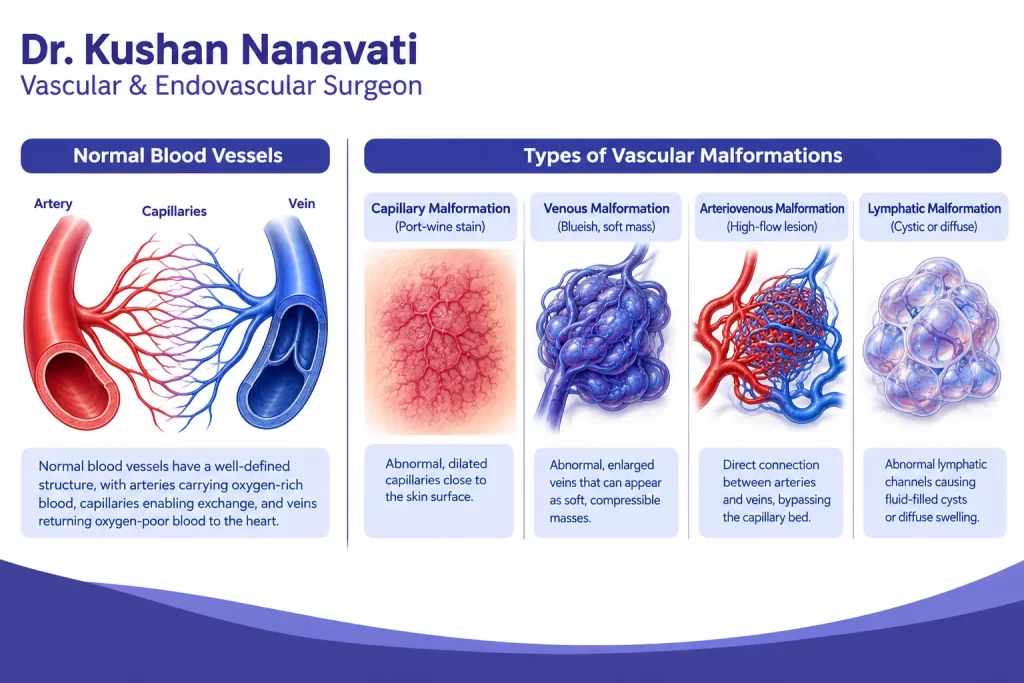
When leg pain stops you mid-walk, when a wound on your foot refuses to heal, or when twisted, bulging veins appear on your legs – these are not signs to take lightly. They are warning signals from your vascular system, the intricate network of arteries, veins, and lymphatic channels that keeps blood flowing through every part of your body.
Finding the best vascular surgeon in Vadodara at this point is not just a matter of convenience – it can be a decision that saves your limb, or your life.
Vadodara has emerged as one of Gujarat’s leading centres for vascular care, with specialist surgeons trained in both open surgical and advanced endovascular techniques. But not all vascular conditions are the same, and neither are the specialists who treat them. This guide helps you understand exactly what to look for.
What Does a Vascular Surgeon Actually Treat?
A vascular surgeon is a specialist who diagnoses and treats diseases of the blood vessels – excluding the heart and brain, which are managed by cardiologists and neurosurgeons respectively. In Vadodara, vascular surgeons commonly treat:
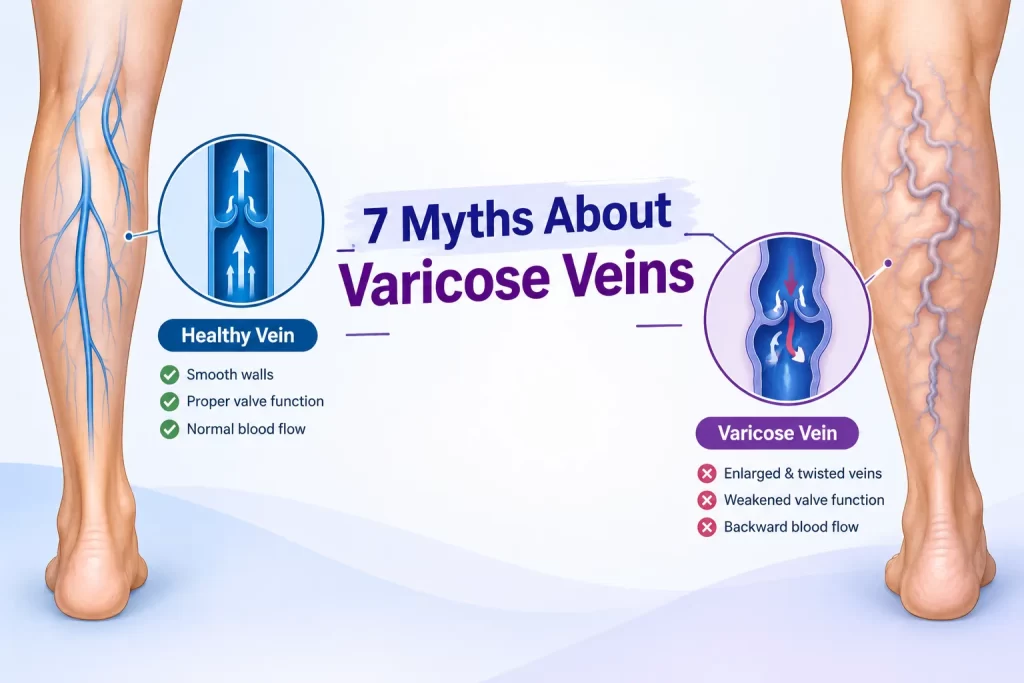
- Varicose veins - swollen, twisted veins in the legs
- Peripheral Arterial Disease (PAD) - narrowing of arteries supplying the legs
- Diabetic foot and non-healing ulcers - often caused by reduced blood flow
- Gangrene - tissue death from blocked blood supply
- Deep Vein Thrombosis (DVT) - blood clots in deep veins
- Aortic aneurysm - abnormal widening of the body's main artery
- Carotid artery disease - blockages that cause stroke risk
- AV fistula creation for dialysis patients
Key Qualifications to Look For
When evaluating any vascular surgeon in Vadodara, check for the following:
1. Postgraduate Surgical Qualification – A vascular surgeon should hold an MS in General Surgery, followed by either a DNB (Peripheral Vascular Surgery), MCh (Vascular Surgery), or a recognized fellowship in vascular and endovascular surgery.
2. Endovascular Training – Modern vascular care has shifted significantly toward minimally invasive, catheter-based procedures. A surgeon trained in endovascular techniques – angioplasty, stenting, laser ablation, embolization – offers far more treatment options than one limited to open surgery alone.
3. Years of Focused Vascular Practice – General surgeons may have some exposure to vascular conditions. But a surgeon who has dedicated their entire practice to vascular and endovascular care brings a depth of experience that translates directly into better outcomes for patients.
4. Facility Infrastructure – The best vascular surgeon in Vadodara will practice at a hospital equipped with a catheterization laboratory (Cath Lab), colour Doppler ultrasound, CT angiography, and dedicated vascular operation theatres. Technology matters – particularly for complex cases.
5 Questions to Ask Before Choosing a Vascular Surgeon in Vadodara
1. What is your specific experience with my condition?
Ask how many patients with your diagnosis they treat per year and what their outcomes look like. Experienced vascular surgeons readily share this information.
2. Do you offer minimally invasive options?
For most varicose vein and arterial conditions, minimally invasive procedures now offer better results with shorter recovery times. If a surgeon recommends open surgery without discussing endovascular alternatives, seek a second opinion.
3. Which hospitals do you operate at?
Your surgeon’s hospital affiliation matters enormously – both for the quality of perioperative care and for access to advanced diagnostic tools.
4. What is the follow-up protocol after treatment?
Vascular conditions often require long-term management. A surgeon who offers clear follow-up plans, including lifestyle guidance and surveillance imaging, is a stronger choice than one focused purely on the procedure.
5. Are you available for emergency consultations?
Vascular emergencies – acute limb ischaemia, ruptured aneurysm – can develop rapidly. Knowing that your surgeon is accessible in a crisis matters.
Red Flags When Choosing a Vascular Surgeon
- The surgeon cannot clearly explain your treatment options or rushes the consultation
- The clinic lacks proper diagnostic imaging equipment (Doppler, CT angiography)
- Surgery is recommended without adequate conservative management first
- There is no structured follow-up plan post-treatment
- The surgeon cannot answer specific questions about complication rates or success statistics
Why Vadodara Is a Strong Choice for Vascular Care
Compared to smaller cities in Gujarat, Vadodara offers a distinct advantage: a concentration of specialist vascular hospitals and surgeons with access to advanced technology. Patients from across Baroda district, Anand, Bharuch, and beyond seek vascular care here because of the availability of endovascular facilities – catheterization labs, laser systems, and Doppler imaging – that many smaller cities lack.
The city also offers significantly more affordable care than metro centres like Mumbai, without compromising on quality. For most vascular procedures, Vadodara-based surgeons achieve outcomes comparable to metro hospitals at a fraction of the cost.
Frequently Asked Questions (FAQs)
1. What is the difference between a vascular surgeon and a cardiologist?
A cardiologist specialises in the heart. A vascular surgeon treats blood vessel diseases everywhere else – legs, abdomen, neck, and arms. If you have blocked arteries in your legs or a vein problem, you need a vascular surgeon, not a cardiologist.
2. How do I know if I need to see a vascular surgeon in Vadodara urgently?
3. Can varicose veins and PAD be treated by the same vascular surgeon?
4. Is vascular surgery safe for elderly patients or those with diabetes?
5. How long does it take to recover from vascular surgery in Vadodara?
Recovery time varies widely by procedure. Minimally invasive varicose vein treatments may allow return to normal activity within a week. Bypass surgery or aneurysm repair requires longer hospitalisation and rehabilitation of several weeks.
Conclusion
Choosing the best vascular surgeon in Vadodara is about more than searching online and picking the first name that appears. It is about finding a specialist with the right training, the right technology, and the right experience for your specific condition – and one who treats you as a whole patient, not just a procedure to perform.
If you are experiencing any vascular symptoms – leg pain, swelling, non-healing wounds, visible vein changes – do not delay. An early consultation with a qualified vascular specialist in Vadodara can be the difference between a straightforward treatment and a complex, limb-threatening emergency.